
| Spec | Detail |
|---|---|
| Our Rating | 32/55 (#2 Overall) |
| Price | $1,200 - $1,600 |
| Best For | Taller users (6'+) who need exceptional lumbar support |
| Warranty | 12 years |
| Weight Capacity | 325 lbs |
| Weight | 45 lbs (lighter than competitors) |
The Haworth Fern is a newer entry to the premium ergonomic chair market, and it's been my daily driver chair for three years now. Featuring an interesting pixelated fabric design and some of the best lumbar support I've ever experienced, the Fern represents Haworth's answer to the Herman Miller and Steelcase duopoly that has dominated corporate offices for decades.
I've personally owned and used the Fern as my primary work chair through thousands of hours of use, and in this comprehensive review, I'll share everything I've learned—the good, the bad, and the quirky. Spoiler alert: it's not perfect, but for the right user, it might be the best chair money can buy.
Bottom Line: The Fern offers exceptional lumbar and upper back support that extends up to the shoulders, making it ideal for taller users who've struggled to find proper back support. The trade-off? Awkward seat depth adjustment and less breathability than mesh competitors like the Herman Miller Embody or Aeron. If lumbar support is your priority, nothing else comes close.
Pros
- Best-in-class lumbar support—unmatched
- Excellent upper back support (reaches shoulders)
- Great for taller users (6'+)
- Interesting, premium-looking materials
- Easy lumbar height adjustment on the fly
- Good recline tension and range
- Lighter than competitors—easier to move
- Excellent warranty and Haworth support
- More affordable than Herman Miller flagships
Cons
- Awkward seat depth adjustment creates a gap
- Less breathable than Embody or mesh chairs
- Some components feel plasticky
- Armrests not as premium as Steelcase
- Base/wheels feel less solid than HM
- Lumbar may be too intense for some users
- Can't add headrest retroactively (factory only)
- Limited retail availability for testing
- Seat foam is thinner than expected
Experience the best lumbar support on the market.
First Impressions: Design That Stands Out
When you first see the Haworth Fern, the design language is immediately striking. The back features what Haworth calls "Edgeless Design"—a frameless, pixelated mesh construction that wraps around the sides rather than terminating in a hard plastic frame like most chairs.
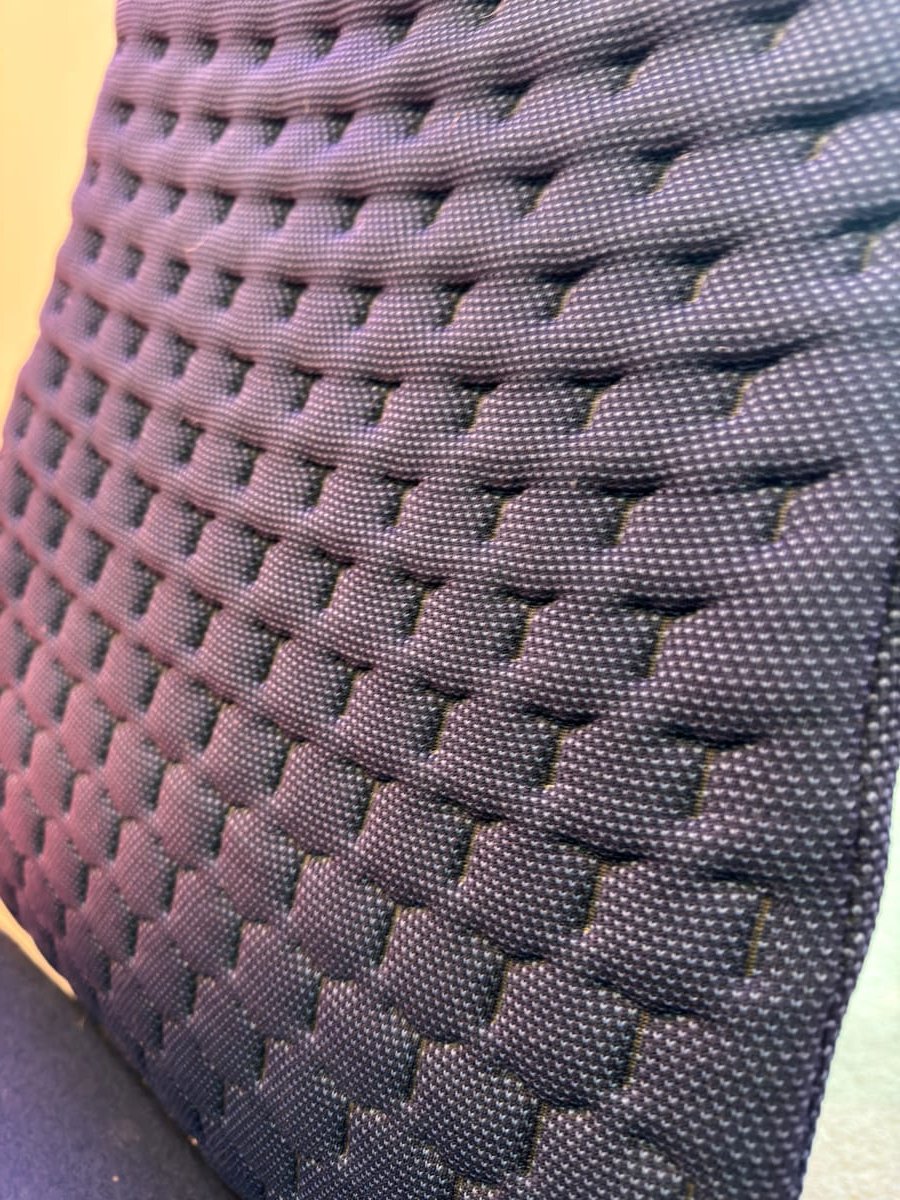
The pixelated texture on the back isn't just aesthetic—it's functional. Each "pixel" is a small elastic element that moves independently, allowing the chair to conform to your back movements throughout the day. It's a different approach than Herman Miller's Pixelated Support on the Embody, but achieves a similar goal of dynamic support.
The seat has more of a wooly, textured fabric that's softer to the touch than the mesh back. It's one of the most visually interesting chairs I own—the combination of textures feels intentional and premium. When clients visit my office, the Fern gets noticed.
The foam on the seat is actually thinner than I expected for a $1,200+ chair. It's not uncomfortable—the support comes from the underlying structure rather than thick foam padding—but if you're coming from a plush executive chair, you'll notice the difference immediately.
The Seat Depth Problem: The Fern's Biggest Flaw
Here's the Fern's most significant issue, and I need to address it honestly: the seat depth adjustment is just weird.

If you're tall (I'm around 6'2") and extend the seat pan out to properly support your thighs and reach just behind your knees—which is the ergonomically correct position—you end up with an awkward gap where your rear hangs between the seat pan and the back of the chair. It's uncomfortable, and it's a design flaw that other chairs in this price range don't have.
The mechanics of what's happening: when you slide the seat pan forward, it creates a physical gap between the back of the seat cushion and where the backrest begins. You can actually see through this gap, and more importantly, you can feel it. Your lower glutes aren't supported by anything, which creates a strange floating sensation.
My workaround has been to keep the seat depth at a lower setting than what's technically "correct" for my height. This means less thigh support, but it eliminates the uncomfortable gap. Ergonomics experts debate whether you actually need the seat extending to just behind your knee—some say it's not necessary—but other chairs like the Herman Miller Embody and Steelcase Gesture handle this issue much more elegantly.
If you're under 5'10" or so, this probably won't affect you. But for taller users who need the seat extended, it's a real consideration.
Lumbar Support: Absolutely Best in Class
If lumbar support is your priority—and for many people with lower back issues, it absolutely should be—the Fern delivers in ways that no other chair I've tested can match.
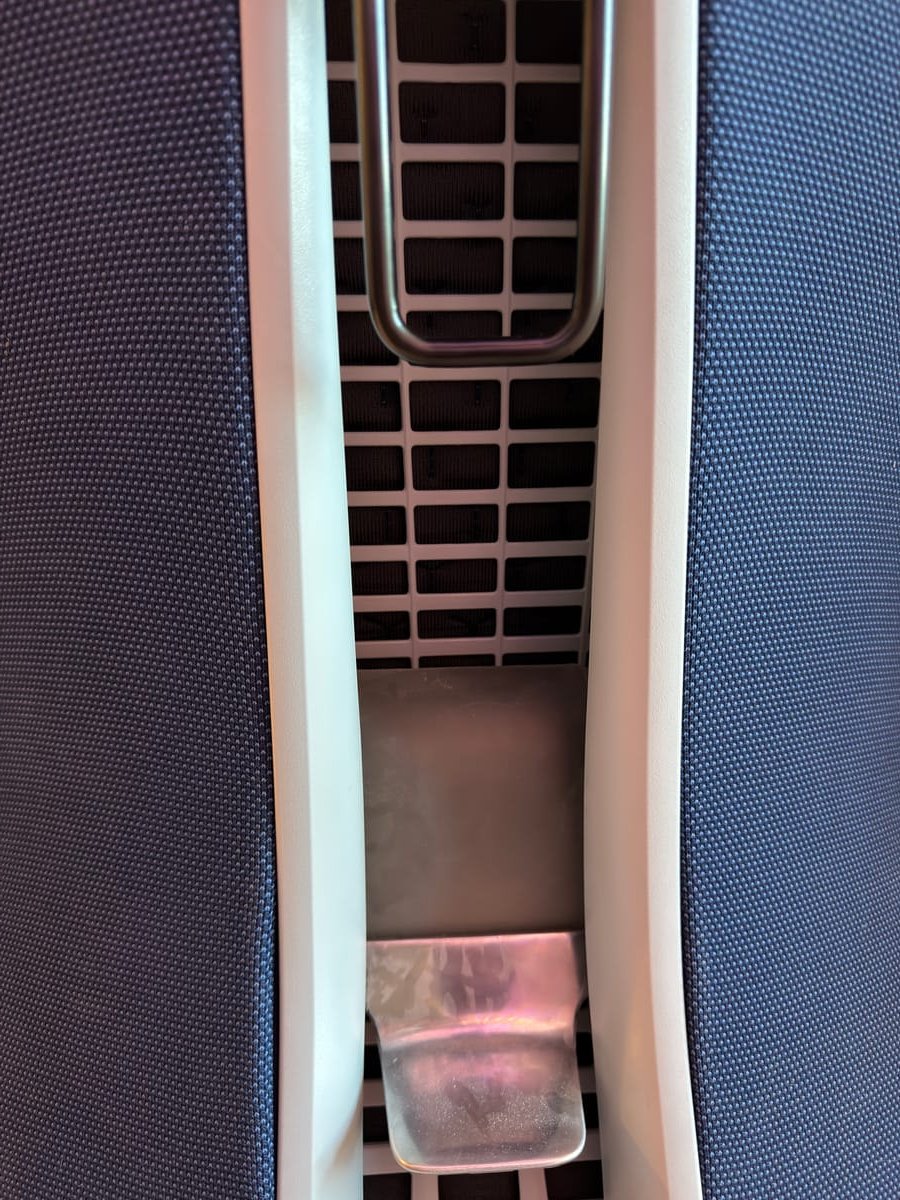
The lumbar system is adjustable in two ways: height and depth. The height adjustment is done via a simple knob on the back of the chair—you can push the lumbar pad up or down to hit exactly the right spot on your lower back. Unlike some chairs where the lumbar is fixed or difficult to adjust, the Fern makes it easy to find your ideal position.
The depth (how much the lumbar pushes into your back) is controlled by the overall back tension, which creates a more or less aggressive lumbar presence. At its lowest/most relaxed setting, the lumbar is still more pronounced than most competitors' maximum settings.
My recommendation: Leave the lumbar at its lowest height setting, and you'll experience one of the best lumbar experiences of any chair on the market. It's intense but very good—the kind of support that makes you sit up straighter naturally rather than slouching into bad posture.
The lumbar is adjustable via a dial on the back of the chair—just rotate to move the lumbar support position up or down. Unlike the Steelcase Leap where you can remove the lumbar entirely, the Fern's lumbar is built into the backrest design. You can minimize it, but you can't eliminate it.
One important caveat: The lumbar might actually be too pronounced for some users. I sometimes wish I could dial it back a bit more for relaxed, reclined positions. My lower back occasionally gets tight and stiff after very long sessions—the lumbar is almost too aggressive, constantly pushing you into "proper" posture even when you'd prefer to slouch for a few minutes.
That said, I'll take too much lumbar over no lumbar any day. The Herman Miller Embody and many Steelcase chairs have relatively weak lumbar support in comparison. If you've ever felt like your office chair just doesn't support your lower back, the Fern is the answer.
Breathability & Materials: The Trade-Off
The fabrics on the Fern aren't as breathable as the Herman Miller Embody or even mesh chairs like the Aeron. This is the trade-off for the Fern's unique textured materials and robust construction.
During summer months or in warmer offices, you'll notice more warmth building up where your back contacts the chair. It's not terrible—I'm not talking about a leather executive chair that turns into a sauna—but if breathability is your top priority, the Embody or Aeron are better choices.
The seat fabric, with its wool-like texture, is comfortable but shows wear patterns more quickly than the smoother fabrics on some competitors. After three years of daily use, I can see slightly different texture where my thighs sit versus the unused edges. It's not damaged, just visibly used.
The materials look great—arguably the most interesting and premium-looking textures in the ergonomic chair market—but they don't perform quite as well for airflow. It's a reasonable trade-off if you work in a climate-controlled environment.
Back Support for Tall Users: Finally, a Chair That Fits
One of the Fern's standout features that doesn't get enough attention: the backrest goes up really high. All the way to my shoulders at 6'2", with room to spare.
The Embody, by comparison, only reaches about a hand's length below my shoulders. For taller users, this difference in back coverage is significant. It means proper support for your entire back, not just the lumbar and mid-back regions.
The Fern is probably one of the better chairs for upper back support if you're 6' or above. Combined with the excellent lumbar, you get comprehensive spinal support that's hard to find in other chairs without going to specialty manufacturers.
If you've struggled with finding chairs that actually fit your tall frame—a common complaint from users over 6 feet—the Fern deserves serious consideration.
Build Quality Concerns: Not Quite Herman Miller
Here's where I have to be honest about some shortcomings. While the Fern is undoubtedly a premium chair, some components feel less refined than the Herman Miller competition.
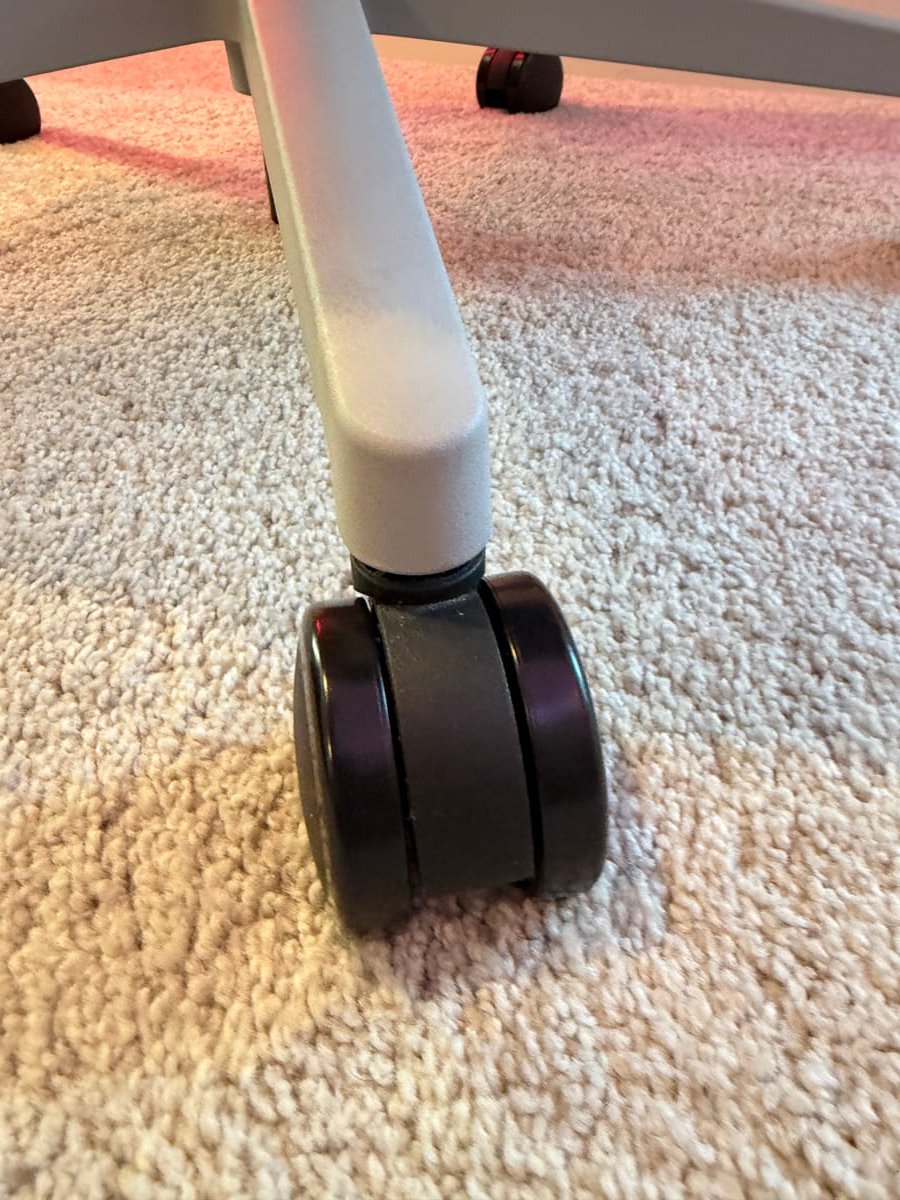
The base and wheels: The five-star base feels less substantial than what you'd find on an Aeron or Embody. It's functional and stable, but the materials and finish aren't quite as premium. The casters roll well but have more plastic construction than the smooth-gliding casters on Herman Miller chairs.
The armrests: Definitely not as premium as Steelcase. The padding is adequate but firm, and the adjustment mechanisms feel slightly less refined. They don't wobble or feel cheap, but side-by-side with a Steelcase Gesture, the difference is noticeable.
General plastics: Some of the plastic components—the back of the backrest, some adjustment levers—feel slightly hollow compared to the dense, solid plastics Herman Miller uses.
For the $1,200-$1,600 price point, I'd expect slightly higher build quality throughout. Steelcase wins the armrest competition handily, and Herman Miller wins on overall fit-and-finish. The Fern competes on comfort and ergonomics rather than luxury materials.
That said, the 12-year warranty means Haworth stands behind the product, and I haven't experienced any actual durability issues in my testing.
Adjustment Controls: Intuitive and Accessible
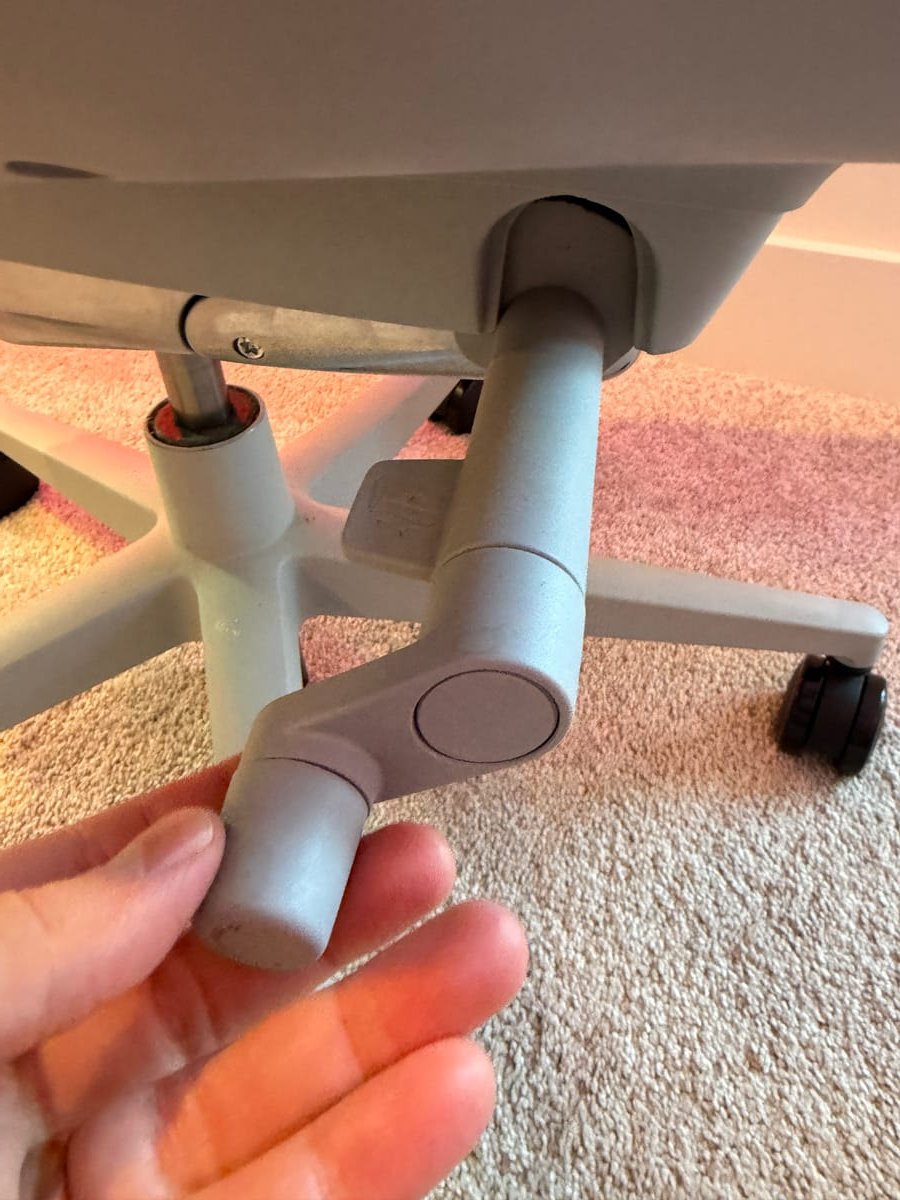
One area where the Fern excels is adjustment accessibility. The controls are intuitive, easy to reach while seated, and provide good tactile feedback.
Seat height: Standard pneumatic lever on the right, works smoothly with good range.
Seat depth: Lever underneath the seat slides the pan forward/backward (though with the gap issue mentioned above).
Recline tension: A dial on the right side of the chair controls how much resistance you feel when leaning back. The range is good—from very loose (almost tips you back) to firm enough for upright work.
Recline lock: You can lock the chair in an upright position or allow free recline. No intermediate locking positions, which some users prefer.
Lumbar height: The knob on the back of the chair is easy to reach and provides fine adjustment of the lumbar pad position.
Armrests: Height, width, depth, and pivot adjustments are all accessible via buttons and slides on the armrest itself.
The recline tension knob works smoothly, and the lumbar height adjustment is simple to use on the fly—you can adjust without getting up or contorting yourself.
The Headrest Situation: Plan Ahead
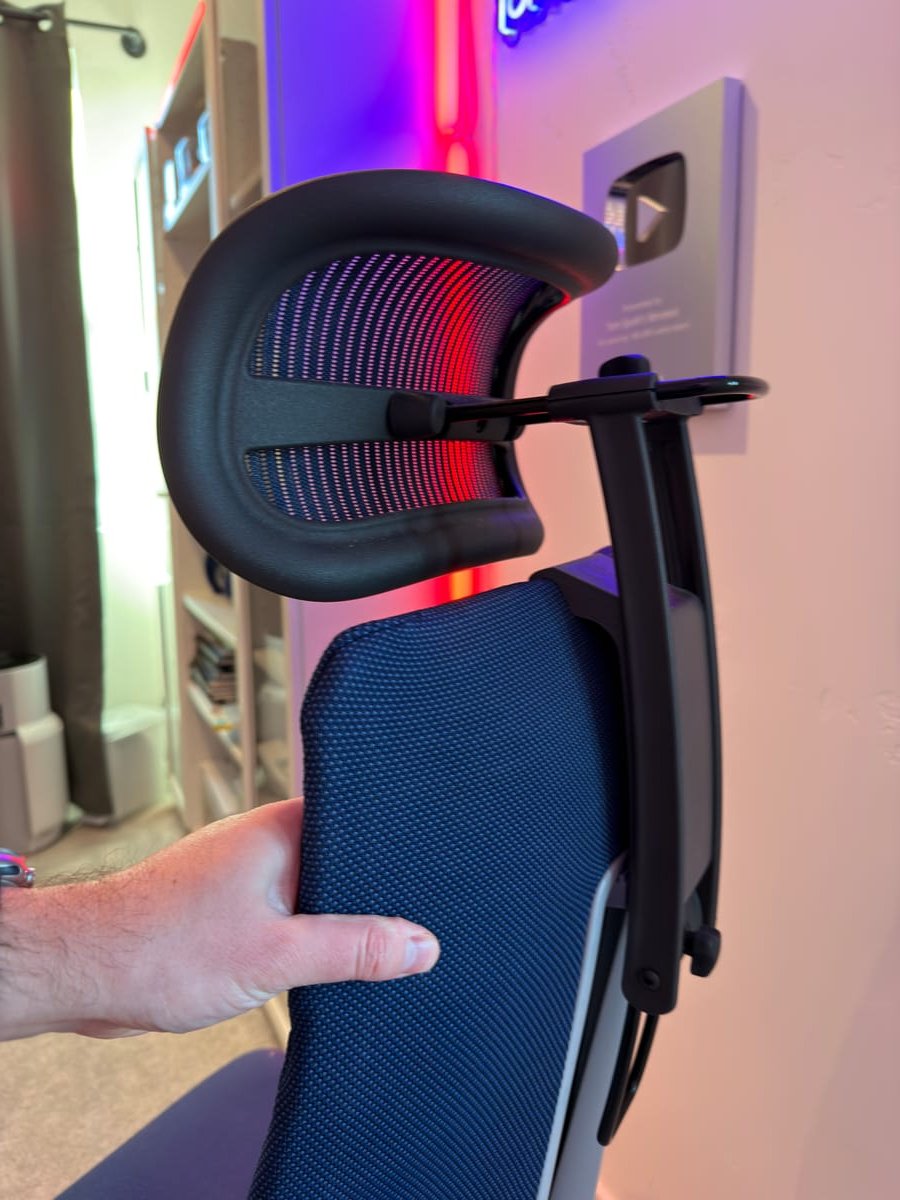
You can get a headrest on the Fern, but there's a catch: it must be ordered from the factory. You cannot add it retroactively.
I've heard from multiple sources that the factory headrest limits the chair's flexibility somewhat—the backrest doesn't move quite as freely with the headrest attached. This is why I opted not to order one with my purchase.
Unfortunately, this means if you decide you want a headrest later, you're out of luck (at least from Haworth). I ended up getting an aftermarket Atlas headrest, which works okay but doesn't match the chair's materials or aesthetic theme. It's basically a modified Aeron headrest with a 3D-printed adapter bracket.
If you know you want a headrest, order it from the factory. If you're unsure, know that your aftermarket options are limited and won't integrate as seamlessly as the factory option.
Why It's My Daily Driver: The Complete Picture
Despite the quirks I've outlined—the seat depth gap, the less-refined plastics, the breathability trade-offs—the Haworth Fern is my main chair right now. Here's why:
The lumbar is genuinely transformative. After years of using chairs that never quite supported my lower back properly, the Fern's lumbar support has noticeably improved my posture and reduced end-of-day back fatigue.
The back support is comprehensive. For taller users, finally having a chair that supports the entire back up to the shoulders is a game-changer.
The adjustability for leaning back works nicely. The recline tension is smooth, the range is good, and the chair feels natural in both upright and reclined positions.
It's lighter than the competition. At 45 lbs versus the Embody's 51 lbs, the Fern is noticeably easier to move around the office. When you need to reposition for different tasks or move between rooms, this adds up.
The aesthetics work in any environment. The Fern looks professional enough for client meetings but interesting enough for a home office. It's not as polarizing as the Embody's sci-fi look.
I fully acknowledge that other chairs beat the Fern in specific categories. The Embody is more breathable. The Steelcase Gesture has better armrests. The Leap might be more versatile for different body types. But for my specific needs—exceptional lumbar support, tall-user-friendly design, and a good balance of features—the Fern is the best overall package.
The Haworth Fern has the best lumbar support I've tested.
Alternatives to Consider
Before committing to the Fern, here are some alternatives worth considering based on your priorities:
Herman Miller Embody ($1,795+): Better breathability, more refined build quality, iconic design. Falls short on lumbar support compared to the Fern.
Steelcase Leap ($1,200+): Excellent all-arounder with LiveBack technology, better armrests, good lumbar. More traditional aesthetic.
Steelcase Gesture ($1,400+): Best armrests on the market, great for multi-device users, comprehensive adjustability. Less aggressive lumbar than the Fern.
Herman Miller Aeron ($1,395+): The classic mesh chair with excellent breathability. Sizing is finicky, and lumbar is optional (and not as good as Fern's).
Final Verdict
The Fern scores 32 out of 55 on my 11-point scoring system. It ties with the Aeron numerically, but I rank it #2 overall because its strengths (lumbar support, tall-user compatibility, back support) matter more for all-day work than the Aeron's strengths (breathability, brand recognition).
If you're tall and prioritize back support over seat depth perfection, the Fern is an excellent choice. If you have chronic lower back issues and nothing else has worked, the Fern should be at the top of your list. If you want the most breathable chair possible, look elsewhere.
The Haworth Fern isn't perfect—no chair is—but it does certain things better than anything else on the market. For the right user, that's exactly what matters.